Build a Shot List That Survives the Day
A shot list is not a catalogue of everything you might film. It is a set of priorities for a day that will almost certainly change.
Give every shot a job
Write the editorial purpose beside each setup: establish geography, reveal information, hold a performance, bridge an action or create a transition. If two shots do the same job, decide which one is stronger before the shoot.
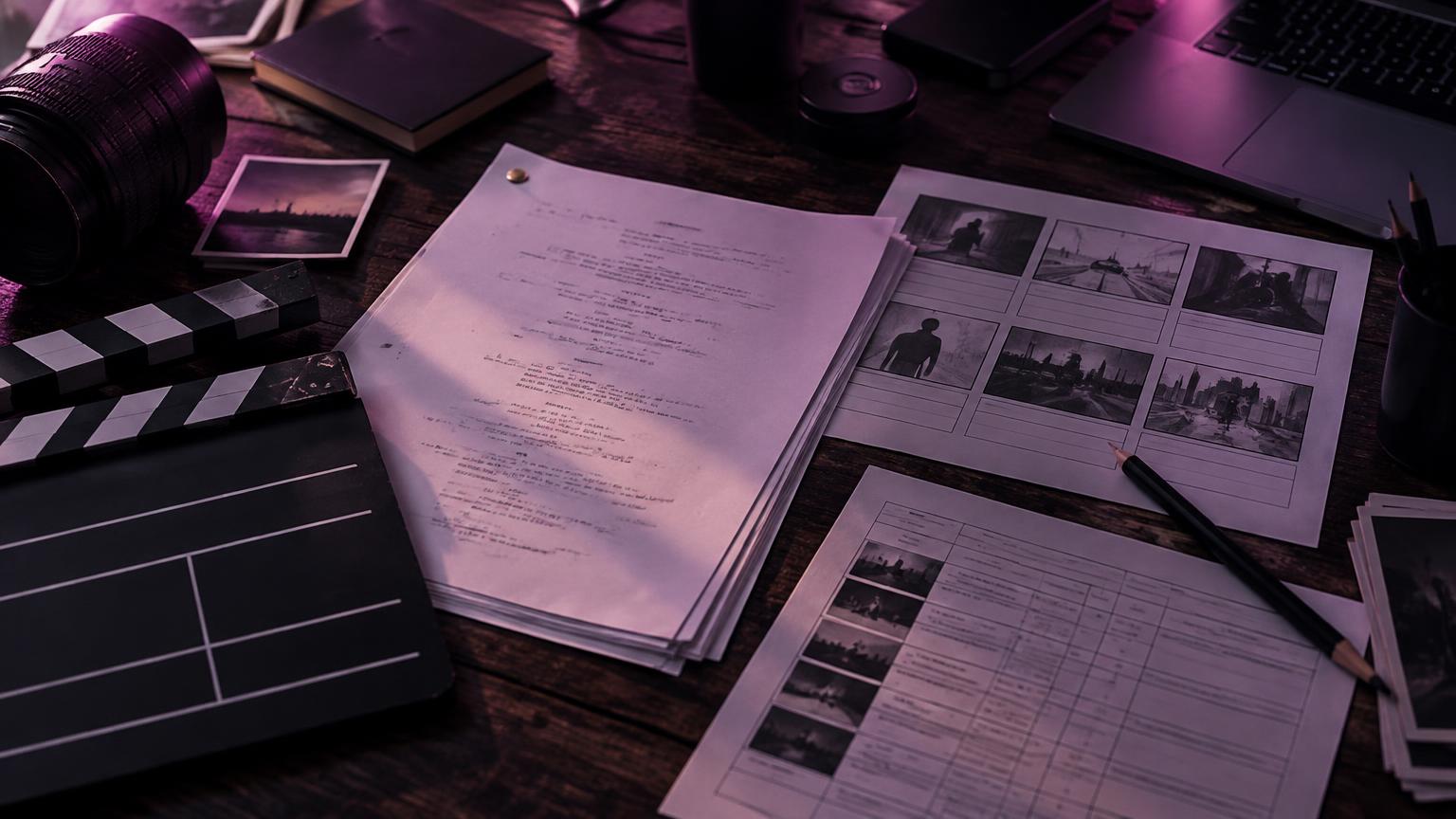
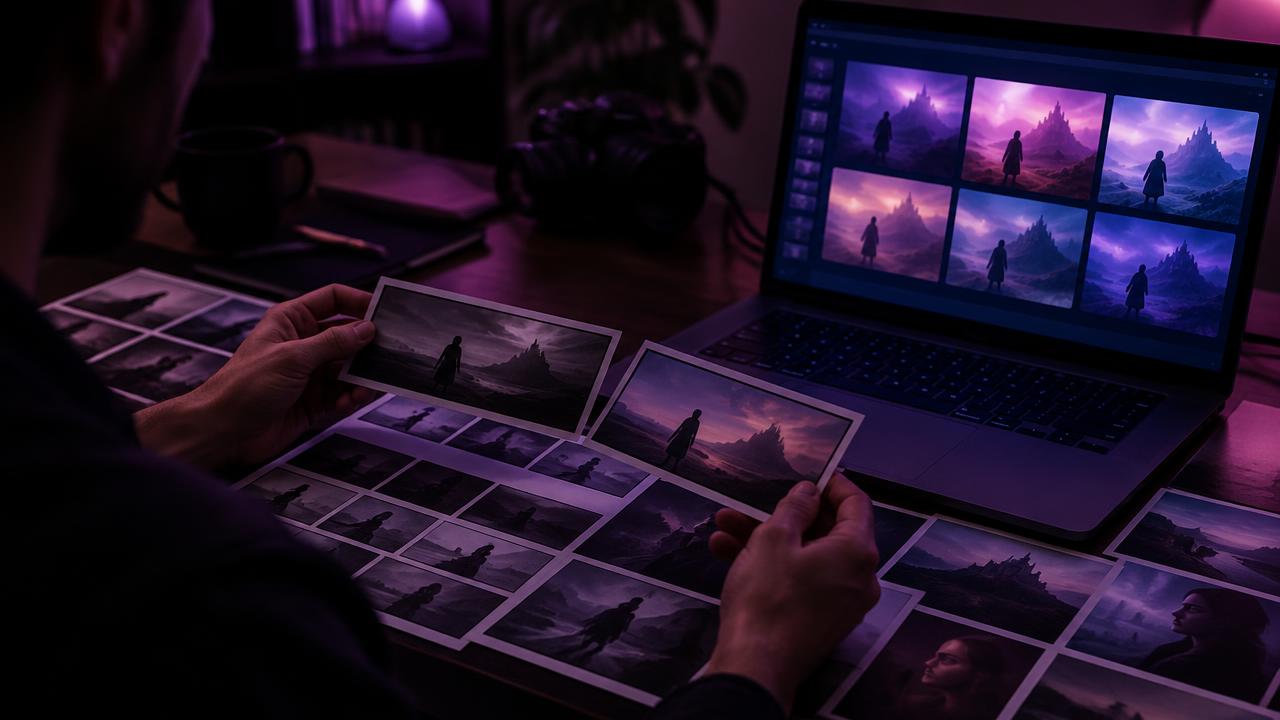
A practical way to test this is with online storyboard software that keeps characters and locations consistent frame to frame.
Separate coverage from insurance
Coverage protects the edit. Insurance protects anxiety. Identify the minimum views needed to build the scene, then add alternatives only when they create a genuinely different rhythm or meaning.
Boards stay useful when they are tied to the page, which is why we recommend starting from a properly formatted screenplay.
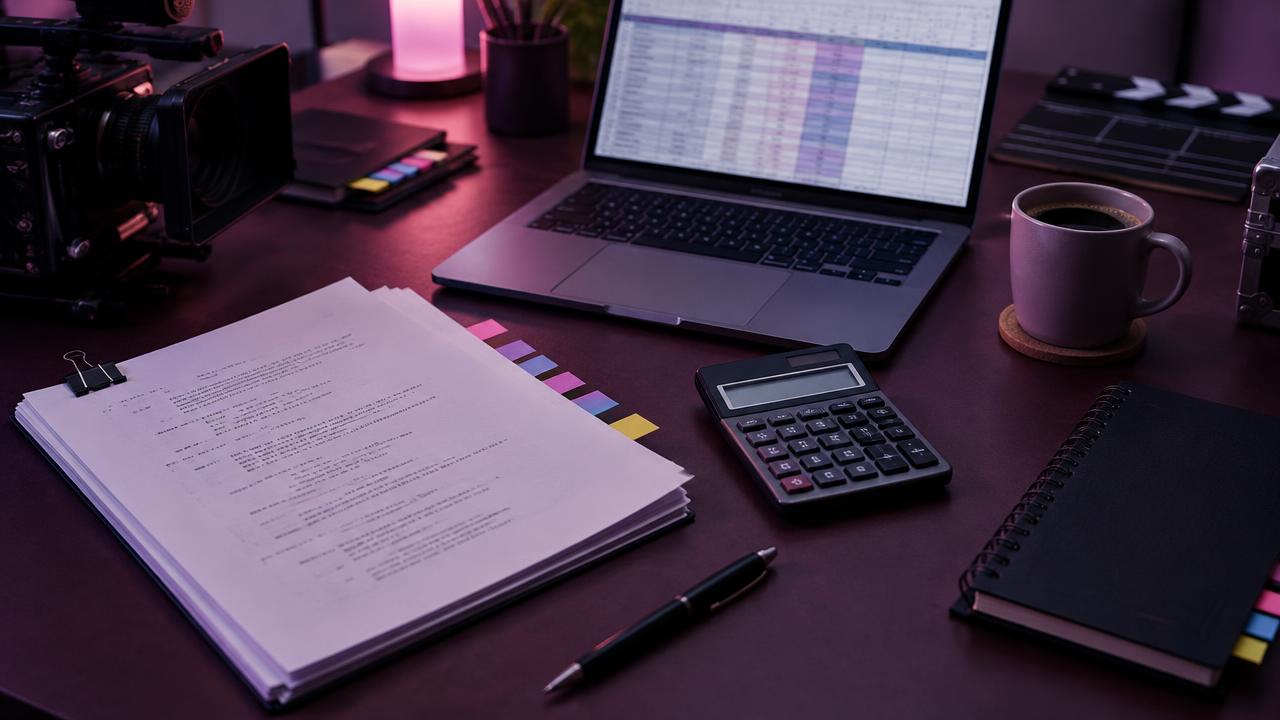
Mark the cost of each setup
Record meaningful resets: lighting direction, company moves, costume changes, effects, crowd positions and difficult focus moves. A short shot can still be expensive if it forces the whole set to turn around.
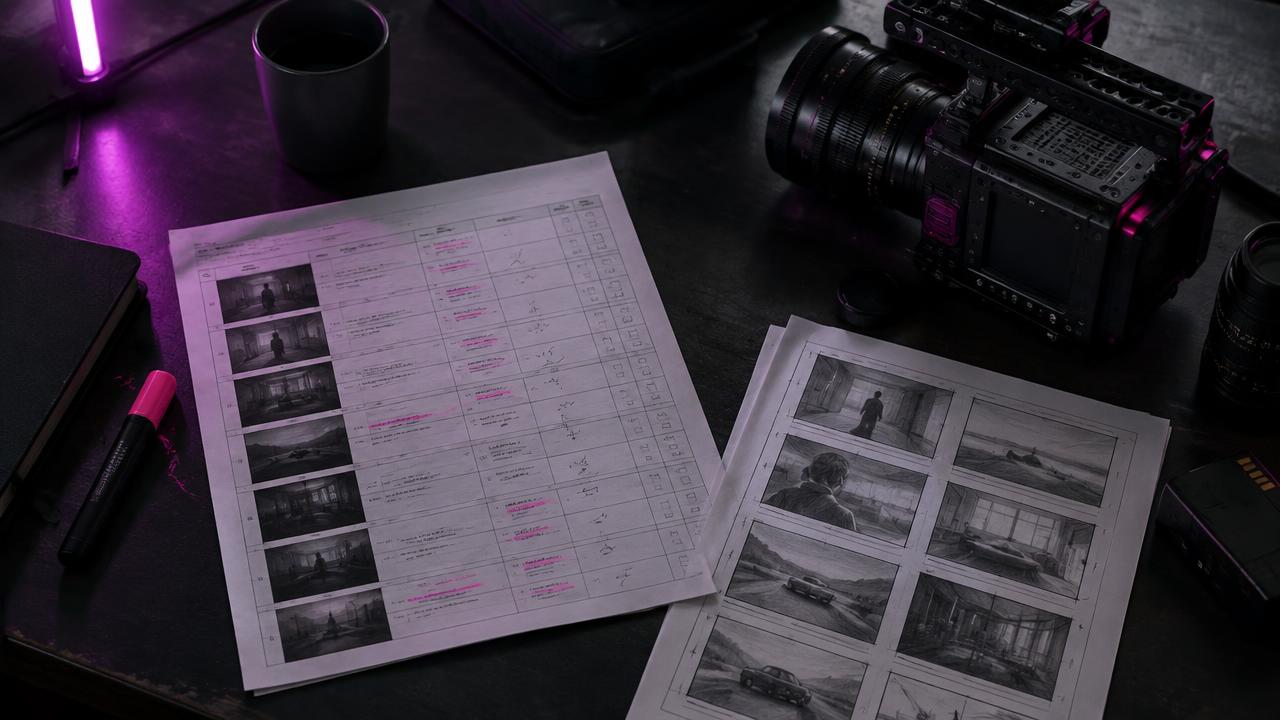
Rank the plan
When the schedule compresses, this ranking lets the team adapt without debating the scene from scratch.
Rehearse the list against reality
Walk the location with the list in hand. Check sun direction, sound, access, power, actor movement and where the crew can stand. Update the plan while those constraints are visible.
A useful shot list is precise about intention and flexible about execution. Connect it to your storyboard plan, keep the priorities visible and let the day change the method—not the meaning.
Try it in Pzaz