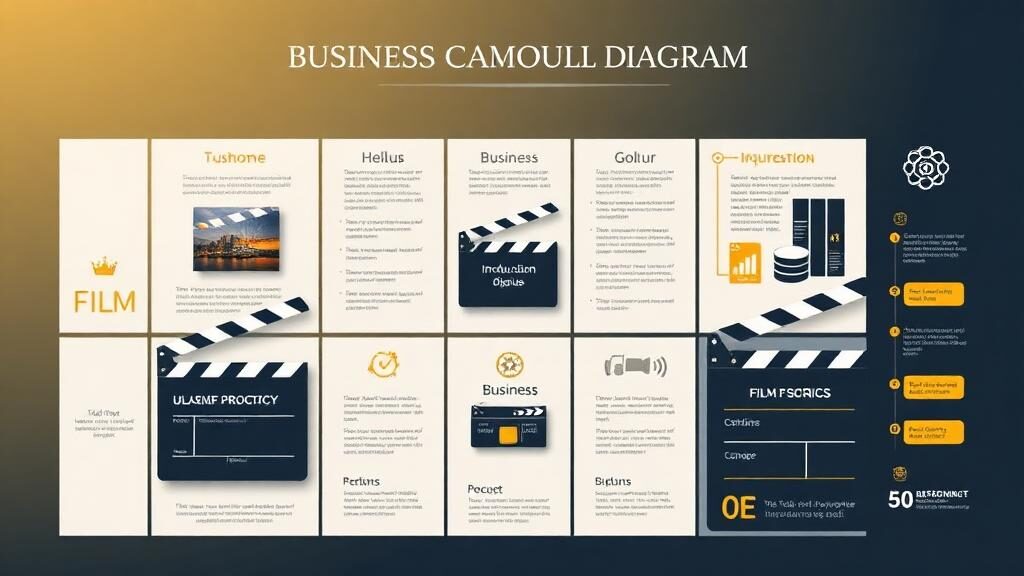
Mastering the Business of Creativity: Adapting the Business Canvas Model for Film, TV, and Video Production
Bridging the Gap: Why Creative Professionals Need a New Business Blueprint
In the ever-evolving landscape of filmmaking, TV production, and video creation, the pursuit of excellence and innovation remains at the forefront of every creator's mind. Despite the abundance of talent and creativity within the industry, there exists a notable gap in the form of accessible, comprehensive guides that cater specifically to the unique needs and challenges faced by professionals in this field.
Recognising this gap, this article aims to bridge this divide by providing a foundational understanding of the Canvas Business Model, tailored to resonate with filmmakers, TV producers, and video creators. The essence of creating compelling narratives and engaging content is inherently intertwined with understanding and applying the core aspects of a successful business strategy.
This article breaks down the Canvas Business Model into these key areas:
What Do You Do? Your Value Proposition and Strategy
Embarking on the creative journey requires a clear understanding of your mission or 'why.' This foundational step delineates the purpose behind your creative venture and highlights how your work offers solutions to existing gaps or challenges in storytelling or audience engagement.
When you budget tools for the slate, check Pzaz pricing for independent producers — the free plan already covers a small team.
Red Ocean vs Blue Ocean Strategy
In the realm of content creation, choosing between Red Ocean and Blue Ocean strategies is pivotal.
Blue Ocean represents uncontested market space — venturing into less explored territories, where the focus is on innovation and creating demand in a space with minimal competition. Example: Cirque du Soleil revolutionised the circus industry by blending art, theatre, and acrobatics.
Red Ocean represents an existing market — diving into a market brimming with competitors. Success often hinges on differentiation and capturing market share from established players. Example: A new streaming service entering the crowded market must offer unique content or innovative features.
Your Value Proposition
Your value proposition is the unique narrative or visual experience you offer to your audience. It's the compelling reason why viewers should choose your work over others.
Consider these tailored questions:
Who Do You Help? Customer Segments and Users
Understanding your audience is paramount. This section guides you in identifying your primary audience, the viewers engaging with your content, and early adopters.
Customer Segment
Whether creating for the mass market or catering to niche interests, understanding your audience's preferences, habits, and loyalty is crucial.
Examples:
Users
Users extend beyond traditional viewers — anyone who interacts with your content, be it through direct consumption, participation in interactive elements, or community engagement.
Early Adopters
These are trendsetters and enthusiasts eager to explore new narratives, styles, and formats. Catering to early adopters can significantly amplify your project's initial impact.
How Will You Reach Them? Marketing & Distribution Channels
Marketing Channels
Selecting the right marketing channels is vital to spotlight your work and engage with your audience:
Keeping the script in a collaborative screenwriting tool protects version history while the deal evolves.
Distribution Channels
How Do You Interact? Customer Relationships
Six types of interactions tailored to the creative industry:
What Do You Need? Key Resources
How Do You Do It? Key Activities
Who Will Help You? Key Partners
What Will It Cost? Cost Structure
Cost-Driven vs Value-Driven
Fixed and Variable Costs
How Much Will You Make? Revenue Streams
By exploring and implementing a mix of these revenue streams, you can create a robust financial foundation for your creative projects, ensuring they not only reach their intended audience but also contribute to ongoing success and growth.
A strong business case starts with a clear story, so it pays to write and polish the screenplay first.
Try it in Pzaz